Iran Deal Could Unlock $300 Billion Reconstruction Fund as Sanctions Relief Talks Advance
Iran Deal Could Unlock $300 Billion Reconstruction Fund as Sanctions Relief Talks Advance
New US-Iran Agreement Could Reshape Middle East Diplomacy
Negotiations between the United States and Iran are gaining momentum as both sides work toward a new agreement that could eventually lead to sanctions relief, economic recovery, and increased regional stability. While many details remain unresolved, officials and analysts say the developing memorandum of understanding (MOU) could mark a significant step forward in efforts to address Iran’s nuclear program and ease long-standing tensions.
The talks, taking place amid heightened international attention, have sparked discussions about the future of Iran’s economy, global energy markets, and security throughout the Middle East.
Iran Seeks Economic Benefits Through Compliance
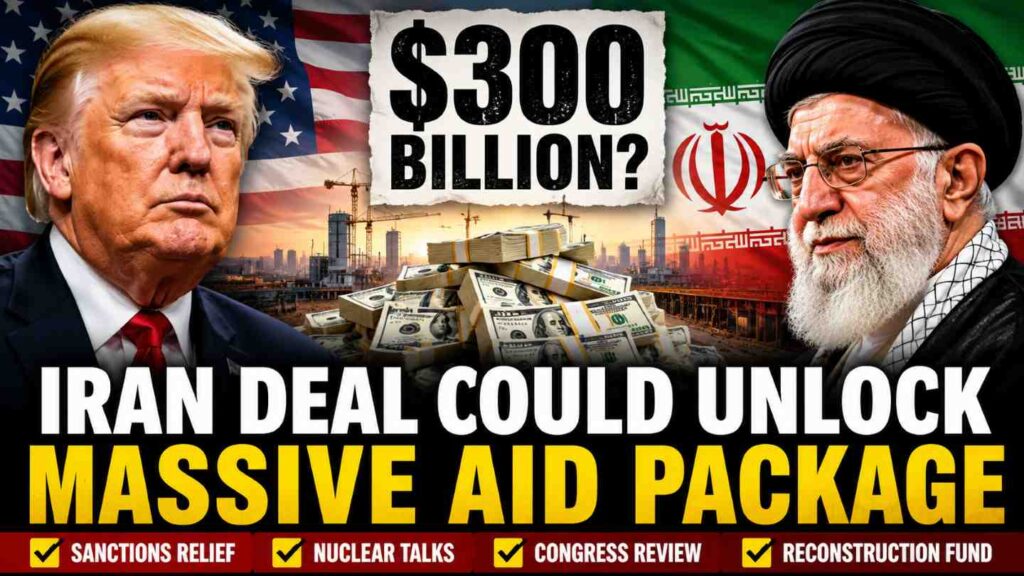
One of the most closely watched aspects of the negotiations is the possibility of economic incentives for Iran. Reports suggest that Tehran could potentially gain access to a reconstruction and development package worth as much as $300 billion if it fulfills the obligations outlined in the agreement.
However, U.S. officials stress that no frozen Iranian assets have been released and that any future economic benefits will depend entirely on Iran meeting specific requirements. The proposed framework would tie financial assistance and sanctions relief to verified actions by Tehran, particularly regarding its nuclear activities.
This approach reflects a performance-based strategy designed to ensure compliance before economic rewards are granted.
Sanctions Relief Remains Conditional
American leaders have made it clear that sanctions relief will not happen automatically. Instead, Iran must demonstrate measurable progress in reducing its nuclear capabilities and complying with international commitments.
Officials have indicated that steps such as eliminating stockpiles of enriched nuclear material and allowing appropriate monitoring mechanisms would be necessary before sanctions are eased.
The phased structure aims to create accountability while encouraging Iran to participate in a long-term diplomatic solution.
Congressional Review Could Determine the Deal’s Future
Before any agreement can take full effect, it is expected to undergo review by Congress. Lawmakers have already expressed interest in examining the final text and evaluating whether the arrangement adequately protects U.S. national security interests.
Some members of Congress have voiced concerns that Iranian officials may be describing the agreement differently from American negotiators. These differing interpretations have fueled calls for transparency and careful scrutiny of the final document.
Political analysts expect congressional debate to become a major part of the approval process once the complete agreement is released.
Comparisons to Previous Iran Nuclear Agreements
The ongoing negotiations are drawing inevitable comparisons to the 2015 Joint Comprehensive Plan of Action (JCPOA), the landmark nuclear deal negotiated during the Obama administration.
Supporters of the current framework argue that it includes stronger enforcement measures and clearer benchmarks for compliance. Critics, meanwhile, remain cautious, pointing to past challenges in monitoring and verifying Iranian commitments.
The debate highlights the broader question of how best to prevent nuclear proliferation while maintaining regional stability.
Energy Security and Regional Stability at Stake
Beyond the nuclear issue, the negotiations carry major implications for global energy markets. A reduction in tensions could help ensure the continued flow of oil and petrochemical exports through key shipping routes, including the Strait of Hormuz.
As one of the world’s most important energy corridors, stability in the region remains a top priority for governments and investors alike. Any breakthrough in diplomacy could help reduce uncertainty and strengthen confidence in global energy supplies.
Experts Urge Caution as Talks Continue
Despite growing optimism, experts warn that the negotiations remain in an early stage. The current framework is viewed as a memorandum of understanding rather than a finalized peace agreement, meaning substantial work still lies ahead.
Key details have not yet been made public, and the success of the arrangement will ultimately depend on implementation, verification, and continued cooperation from all parties involved.
Observers note that previous diplomatic efforts with Iran have faced significant obstacles, making patience and vigilance essential throughout the process.
The Road Ahead
With additional negotiations expected in the coming days, attention is now focused on the release of the final agreement and its subsequent review by Congress. International partners, financial markets, and regional governments will be closely watching developments.
If successful, the agreement could open a new chapter in U.S.-Iran relations, provide a pathway toward economic recovery for Tehran, and contribute to greater stability across the Middle East. For now, however, the outcome remains uncertain as negotiators continue working through the complex details of the deal.
#IranDeal #NuclearTalks #USIranRelations #MiddleEastNews #SanctionsRelief #GlobalPolitics #IranEconomy #EnergyMarkets #Diplomacy #WorldNews